


5 Spring Lawn Prep Tips Every Virginia Homeowner Needs
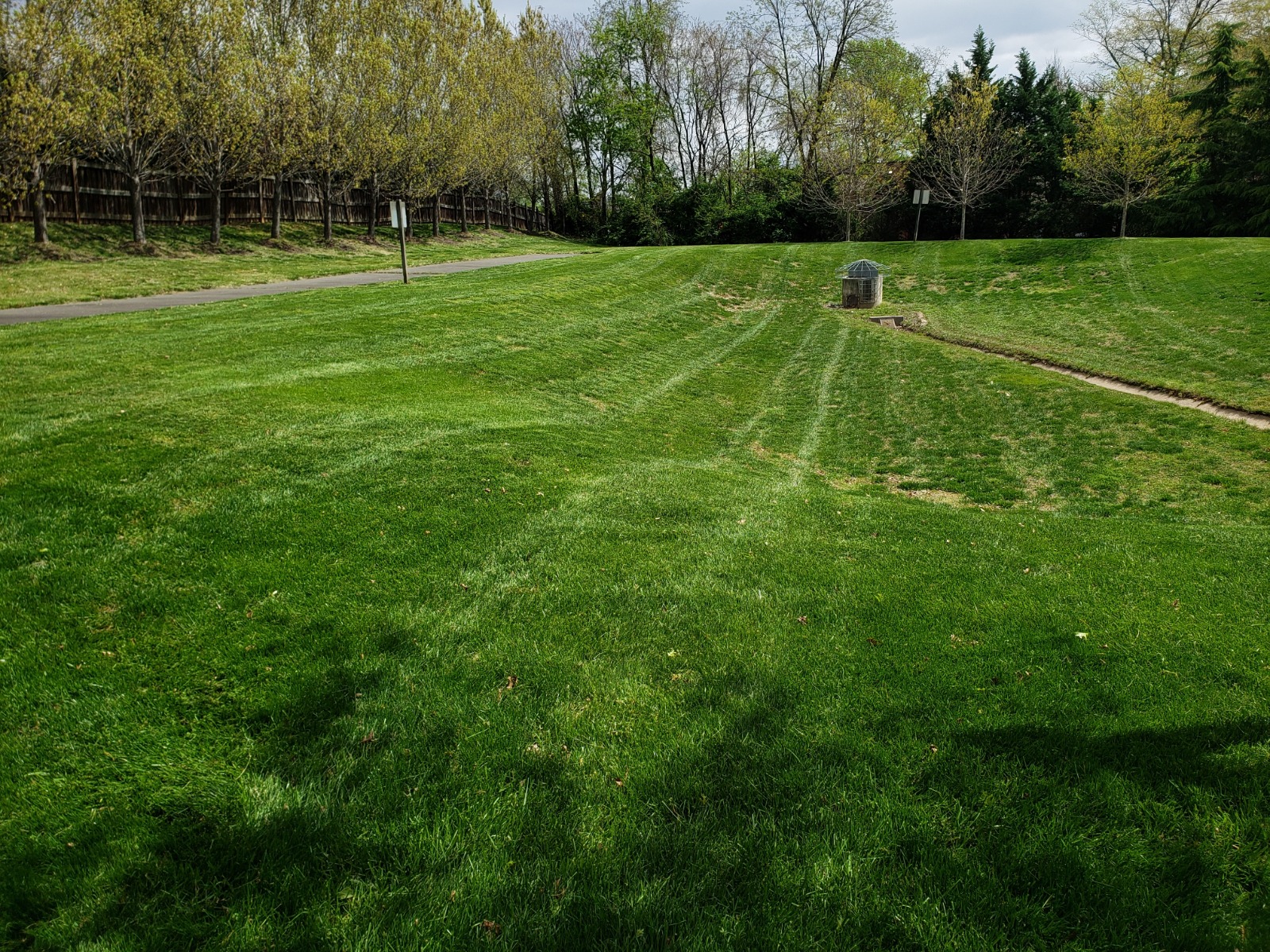
As temperatures rise across Northern Virginia, your lawn is waking up from winter dormancy. The steps you take in early spring set the foundation for how your yard looks the rest of the year. Here are five essential tips to get ahead of the season.
1. Apply a Pre-Emergent Before Weeds Germinate
Timing is everything with pre-emergent herbicides. In Northern Virginia, soil temperatures typically hit the 55°F threshold in late March to early April — that's your window. A properly timed application creates an invisible barrier that stops crabgrass, foxtail, and other annual weeds before they ever break the surface. Miss this window, and you'll be fighting weeds reactively all summer long.
2. Set Your Mower Height to 3.5–4 Inches
One of the most common mistakes homeowners make is cutting their lawn too short. Taller grass shades the soil, which reduces weed seed germination and helps retain moisture during the hotter months ahead. For fescue and bluegrass — the dominant turf types in our region — keeping your mower blade between 3.5 and 4 inches is ideal. Resist the urge to scalp your lawn after winter; a gradual first mow eases the turf back into its growth cycle.
3. Feed Your Lawn with a Slow-Release Fertilizer
Spring fertilization replenishes the nutrients your lawn depleted over winter. A slow-release formula provides steady nourishment over 6–8 weeks, promoting even growth without the surge-and-crash cycle that quick-release products cause. At QualiGreen, our seven-step program uses professional-grade blends calibrated specifically for Virginia soil conditions, so every application delivers exactly what your turf needs.
4. Address Bare Patches Early
Winter can leave behind thin or bare spots, especially in high-traffic areas and shaded sections of your yard. Spring is the time to overseed these trouble zones. Loosen the top quarter-inch of soil, spread a quality seed mix appropriate for your sun and shade conditions, and keep the area consistently moist until the new grass establishes — typically 2–3 weeks. The earlier you tackle bare spots, the less room weeds have to move in.
5. Clean Up Debris and Dethatch If Needed
Fallen leaves, branches, and a thick layer of thatch can smother new growth and harbor fungal diseases. A thorough spring cleanup lets sunlight and air reach the soil surface. If your thatch layer is more than half an inch thick, light dethatching with a power rake opens things up without damaging the turf. This simple step can dramatically improve how well your lawn absorbs water and fertilizer throughout the season.
Ready to Get Your Lawn Spring-Ready?
Let QualiGreen handle the hard work. Our team knows exactly what Northern Virginia lawns need to thrive.
Get a Free Estimate